The South Florida Economic Development Corporation and Its Role in Local Real Estate
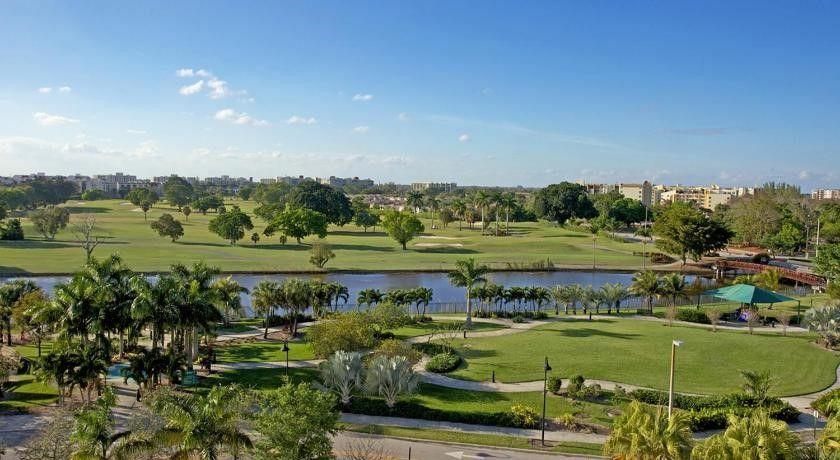
South Florida is one of the most active and fast-growing real estate markets in the United States. Strong population growth, international investment, tourism demand, and infrastructure expansion all contribute to continuous pressure on land development and construction activity.
Within this environment, economic development organizations play a major role in shaping long-term growth strategies. The South Florida Economic Development Corporation (and similar regional development agencies) help guide investment trends, support business expansion, and strengthen the overall economic ecosystem that directly impacts real estate demand.
While these organizations do not issue building permits or zoning approvals, they heavily influence where development happens, what types of projects are encouraged, and how quickly markets expand.
At the same time, firms like Concord Crest Real Estate play a crucial role in helping developers navigate complex regulatory systems through land use consulting and permitting strategy services.
Understanding Economic Development in South Florida
Economic development in South Florida focuses on improving regional competitiveness by:
- Attracting domestic and international investment
- Supporting job creation and workforce development
- Expanding infrastructure and transit networks
- Encouraging industry clusters such as logistics, real estate, and tourism
- Promoting sustainable urban expansion
These efforts directly influence real estate demand by increasing population density, employment centers, and commercial activity.
As seen in broader market trends, South Florida continues to experience strong real estate growth driven by migration and capital inflow .
How Economic Development Impacts Real Estate Growth
Although economic development agencies do not regulate land directly, their policies and initiatives create strong indirect effects on real estate markets.
1. Increased Investment Demand
When economic development agencies attract businesses, they increase demand for:
- Office space
- Industrial warehouses
- Retail centers
- Residential housing
This leads to rising land values and more competitive development opportunities.
2. Job Creation and Housing Pressure
New business growth creates employment hubs, which directly increases housing demand near commercial centers.
This is one of the key drivers behind rising residential development in Miami-Dade, Broward, and Palm Beach counties.
3. Infrastructure Expansion
Economic development initiatives often support:
- Highway expansion
- Port upgrades
- Transit-oriented development
- Utility modernization
These improvements make previously underutilized land more viable for development.
Real Estate Development Challenges in South Florida
South Florida is a high-opportunity but highly regulated market. Developers must navigate:
- Complex zoning systems
- Environmental restrictions (wetlands, coastal zones)
- Multi-agency permitting processes
- Community opposition in dense urban areas
- Hurricane-resistant building codes
Each municipality (Miami, Fort Lauderdale, West Palm Beach, etc.) has its own permitting structure, making development highly location-specific .
This complexity increases the importance of strategic planning before acquisition and construction.
Land Use Planning as a Critical Development Tool
In South Florida, land use planning determines whether a project is even feasible before design begins.
Developers must evaluate
- Zoning classification
- Density allowances
- Environmental constraints
- Infrastructure capacity
- Future comprehensive plan changes
This is where professional consulting becomes essential.
Resources such as:
- Land use consulting in South Florida
- land use permitting guide
- Land use permits in South Florida
help developers understand regulatory pathways before investing heavily into a project.
The Role of Permitting in South Florida Development
Permitting is one of the most time-consuming and complex parts of real estate development in South Florida.
Every project must pass through:
- Local building departments
- Environmental review boards
- County planning agencies
- Utility and infrastructure approvals
Even small delays in permitting can significantly affect project timelines and financing costs.
To manage these challenges, developers often rely on structured processes such as:
- South Florida permitting process overview
- Permit expeditor services in South Florida
- Permit expediting services in Florida
These tools help reduce delays and improve approval efficiency.
Conditional Use and Land Development Approvals
In many cases, developers must apply for conditional use permits or zoning amendments to move projects forward.
These approvals are often required for:
- Mixed-use developments
- Density increases
- Commercial conversions
- Non-standard land uses
Understanding this process is critical because it can determine whether a project is approved or rejected.
Helpful resources include:
- CUP amendments in Miami
- Benefits of conditional use permit amendments
Urban Development and Land Reuse Trends
Because available land in South Florida is limited, redevelopment has become a key growth strategy.
Common trends include:
- Redevelopment of aging commercial zones
- Conversion of underutilized land
- Vertical residential expansion
- Transit-oriented development
These strategies maximize land efficiency in high-demand areas.
Relevant insights are covered in:
- Urban construction and reuse of open land
- South Florida land opportunities
Fast-Tracking Development in Competitive Markets
Speed is a competitive advantage in South Florida real estate. Projects that move faster through approvals and construction often achieve better financial returns.
Developers use strategies such as:
- Early feasibility studies
- Pre-application meetings with agencies
- Strategic zoning alignment
- Professional permitting coordination
For luxury and high-value developments, fast-tracking is especially critical.
Key references include:
- Fast-track permits for luxury homes in Miami
- Land use permitting strategies in South Florida
How Economic Development Data Influences Real Estate Decisions
Economic development organizations provide essential data that helps developers make informed decisions, including:
- Population growth forecasts
- Employment trends
- Industry expansion zones
- Infrastructure investment plans
- Housing demand projections
This data helps investors identify:
- High-growth corridors
- Undervalued land parcels
- Future commercial hubs
- Long-term investment opportunities
When combined with regulatory insight, this data reduces development risk and improves investment performance.
Key Takeaways for Developers
South Florida’s real estate ecosystem is shaped by a combination of economic growth, regulatory complexity, and land scarcity.
Key insights include:
- Economic development drives demand indirectly through job creation and investment
- Permitting and zoning determine project feasibility
- Land use strategy is critical before acquisition
- Speed and compliance strongly affect profitability
- Professional consulting improves approval success rates
Developers who understand both economic trends and regulatory systems gain a significant competitive advantage in this market.
Conclusion
The South Florida Economic Development ecosystem plays a vital role in shaping real estate growth by influencing investment trends, infrastructure planning, and long-term regional strategy.
However, successful development in South Florida depends not only on market demand but also on navigating complex land use regulations, zoning requirements, and permitting systems.
This is where specialized expertise from firms like Concord Crest Real Estate becomes essential, helping developers move from concept to approval more efficiently.
By combining economic insight with strong regulatory planning, developers can reduce risk, accelerate timelines, and unlock stronger long-term real estate value in one of the most competitive markets in the United States.