The Role of Structural Engineering in Real Estate Development and Land Use Planning in South Florida
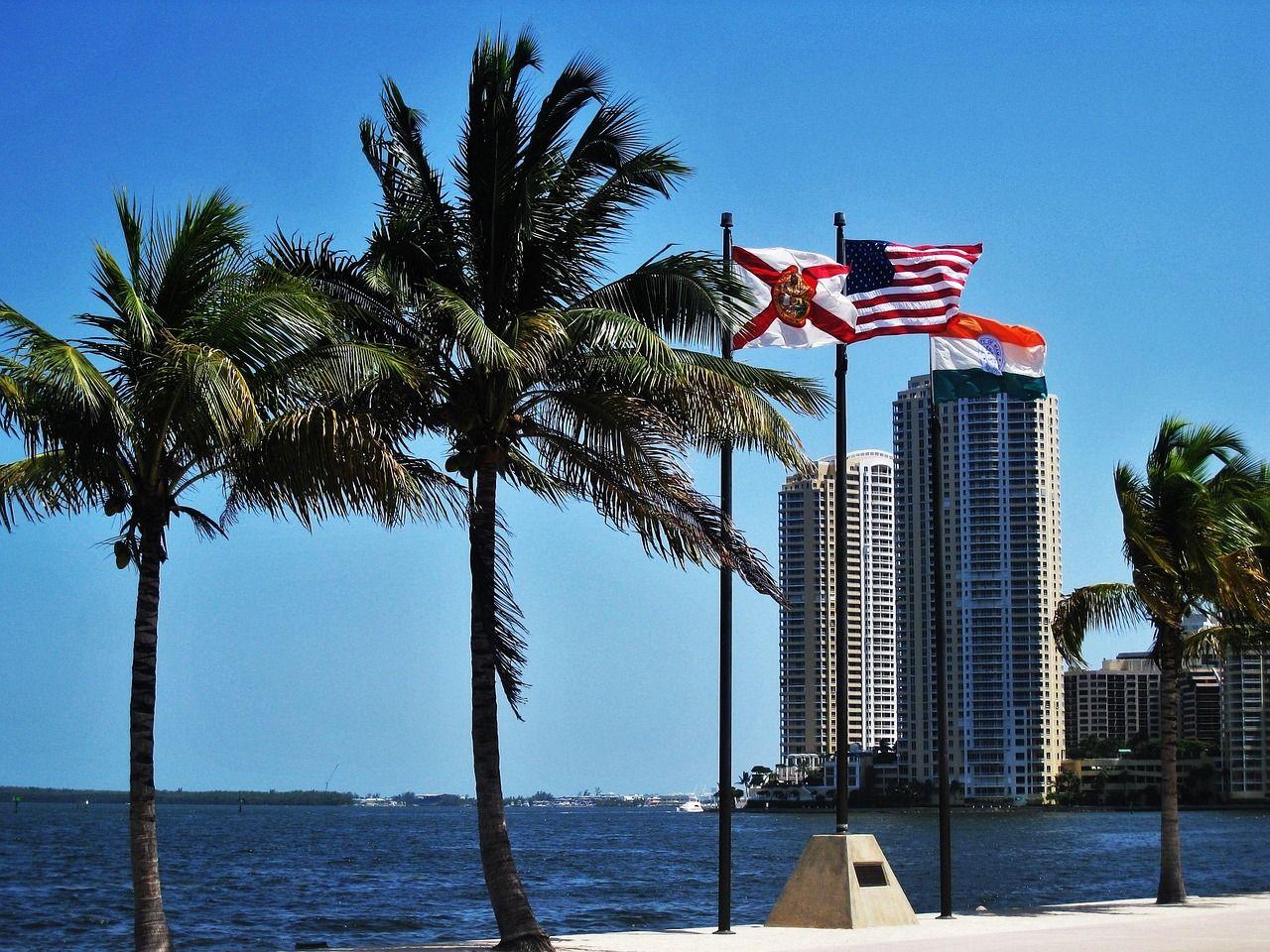
Real estate development in South Florida is one of the most complex and highly regulated processes in the United States. Developers must navigate zoning laws, environmental constraints, permitting requirements, and design challenges while ensuring that projects remain financially viable and structurally sound.
Within this environment, structural engineers play a critical role. They are responsible for ensuring that buildings and infrastructure are safe, efficient, and compliant with building codes. However, their role extends far beyond calculations and drawings. Structural engineers actively contribute to planning decisions, permitting strategies, and long-term project success.
Firms such as Concord Crest Real Estate Services provide land use consulting, permitting coordination, and development advisory services that help bridge the gap between engineering, design, and regulatory approval. These services are especially important in South Florida, where environmental and zoning regulations are highly detailed and constantly evolving.
This article explores the role of structural engineers in real estate development planning and how they influence project success from concept to completion.
Understanding Structural Engineering in Real Estate Development
Structural engineering focuses on designing and analyzing the framework of buildings and infrastructure. In real estate development, structural engineers ensure that a project is safe, stable, and capable of withstanding environmental and operational stresses.
Key responsibilities include:
- Structural design and analysis
- Load calculations
- Material selection
- Foundation design
- Compliance with building codes
- Coordination with architects and contractors
While these technical functions are essential, structural engineers also play a strategic role in development planning.
Why Structural Engineering Matters in Early Planning Stages
One of the most important contributions structural engineers make is during early project planning.
At this stage, developers are still evaluating:
- Land feasibility
- Construction costs
- Design concepts
- Zoning restrictions
- Site limitations
Structural engineers help assess whether a proposed design is feasible from a structural standpoint before significant investment is made.
Early involvement helps reduce:
- Design revisions
- Construction delays
- Permit rejections
- Budget overruns
This proactive approach is especially important in regulated markets like South Florida.
The Connection Between Structural Engineering and Land Use Planning
Structural engineering is closely linked to land use planning because the physical characteristics of a site directly impact what can be built.
Factors considered include:
- Soil conditions
- Flood zone classification
- Wind load requirements
- Elevation levels
- Environmental constraints
These factors influence both design and regulatory approval processes.
For more on land planning considerations in the region, see Land use consulting south florida
Structural Engineering and the Permitting Process
Permitting is one of the most challenging aspects of real estate development in South Florida. Structural engineers play a key role in ensuring that technical documentation meets regulatory requirements.
Their responsibilities include:
- Preparing structural calculations for submission
- Ensuring compliance with Florida Building Code
- Coordinating with architects on design revisions
- Responding to permit review comments
- Supporting revisions required by authorities
A strong structural engineering foundation can significantly speed up the permitting process.
For related permitting insights, see south florida permitting process
Collaboration Between Engineers, Architects, and Developers
Successful real estate development depends on collaboration between multiple professionals.
Structural engineers work closely with:
- Architects (design integration)
- Developers (project feasibility)
- Civil engineers (site infrastructure)
- Contractors (construction execution)
- Government agencies (compliance and approvals)
This coordination ensures that the project design is both structurally sound and aligned with regulatory expectations.
Structural Engineering in High-Density Urban Development
South Florida is known for its dense urban development, particularly in cities like Miami.
High-rise and mixed-use developments require advanced structural engineering solutions, including:
- Wind-resistant design
- Deep foundation systems
- Reinforced concrete structures
- Seismic and hurricane load considerations
Engineers must design buildings that meet strict safety requirements while maintaining architectural vision and cost efficiency.
Urban redevelopment projects often involve complex land use decisions and structural constraints.
For more insights into urban redevelopment, see urban construction reuse of open land
Engineering Challenges in South Florida Construction
South Florida presents unique engineering challenges due to its geography and climate.
Key challenges include:
- High water tables
- Hurricane exposure
- Coastal soil conditions
- Flood zone regulations
- Environmental preservation requirements
Structural engineers must design solutions that account for these conditions while maintaining safety and durability.
These environmental factors also influence permitting timelines and design approvals.
Structural Engineering and Conditional Use Permits
Certain real estate developments require conditional use permits or zoning adjustments.
Structural engineers often provide technical input to support these applications by demonstrating:
- Structural feasibility
- Safety compliance
- Environmental compatibility
- Design justification
This technical support can strengthen permit applications and improve approval outcomes.
For more information on zoning adjustments, see cup amendments miami
Improving Project Feasibility Through Engineering Analysis
Before construction begins, developers rely on engineering analysis to determine whether a project is financially and structurally viable.
Structural engineers evaluate:
- Load-bearing capacity
- Material efficiency
- Construction methods
- Foundation requirements
- Long-term maintenance considerations
These evaluations help developers make informed investment decisions.
Structural Engineering in Permit Expediting Strategies
Permit delays can significantly impact project timelines and budgets.
Structural engineers contribute to faster approvals by:
- Ensuring complete technical documentation
- Reducing design errors
- Responding quickly to reviewer feedback
- Coordinating with permit expeditors
Working with experienced permitting teams improves efficiency and reduces delays.
For permitting support services, see permit expeditor south florida
The Role of Engineering in Luxury Real Estate Development
Luxury real estate developments require a high level of precision and structural innovation.
These projects often include:
- Custom architectural designs
- Large open-span structures
- High-end materials
- Advanced foundation systems
Structural engineers ensure that design ambitions are achievable without compromising safety or code compliance.
Luxury developments in Miami and surrounding areas often require close collaboration between engineering and permitting specialists.
For expedited luxury permitting insights, see how to fast track permits for new luxury\ homes in miami fl
Risk Management in Structural Engineering
Risk management is a core responsibility of structural engineers.
They help identify and reduce risks related to:
- Structural failure
- Environmental damage
- Construction errors
- Code violations
- Foundation instability
By addressing risks early, engineers help protect both developers and future occupants.
Structural Engineering and Sustainable Development
Modern real estate development increasingly focuses on sustainability.
Structural engineers contribute by:
- Optimizing material usage
- Reducing construction waste
- Supporting energy-efficient designs
- Enhancing building lifespan
Sustainable engineering solutions align with environmental regulations and long-term cost savings.
Supporting Land Development Projects from Start to Finish
Structural engineers remain involved throughout the entire development lifecycle.
Their role includes:
- Concept design evaluation
- Permit documentation support
- Construction oversight
- Structural inspections
- Final certification
This continuity ensures design integrity from planning to completion.
For broader land development advisory services, see land use permitting guide
The Importance of Structural Engineering in Investment Decisions
Real estate investors rely on structural engineering assessments to evaluate project risk and potential return.
Engineering reports help investors understand:
- Construction feasibility
- Long-term maintenance costs
- Structural durability
- Regulatory risks
This information supports better investment decisions and reduces uncertainty.
Future Trends in Structural Engineering and Real Estate Development
The field of structural engineering continues to evolve with new technologies and methodologies.
Emerging trends include:
- Building information modeling (BIM)
- AI-assisted structural analysis
- Advanced simulation tools
- Sustainable material innovation
- Digital permitting systems
These advancements will continue improving efficiency and accuracy in real estate development.
Conclusion
Structural engineers play a fundamental role in real estate development planning, particularly in complex and regulated markets like South Florida. Their expertise ensures that projects are safe, compliant, and feasible while supporting architectural vision and financial objectives.
From early feasibility studies and land use evaluation to permitting coordination and construction oversight, structural engineers contribute at every stage of development.
With support from Concord Crest Real Estate Services, developers can integrate engineering expertise with permitting and land use strategies to ensure smoother approvals and more successful project outcomes.
As real estate development continues to grow in complexity, structural engineering will remain one of the most critical components of successful planning and execution.